Today’s living rooms often feel like afterthoughts - illuminated by flat, forgettable fixtures that serve only to banish darkness, not create atmosphere. We’ve replaced heirloom light with disposable design, trading depth for convenience. But a shift is underway. More homeowners are rediscovering that true warmth doesn’t come from wattage alone; it’s born from the way light dances through hand-cut crystal, casting subtle rainbows at dawn or catching the flicker of candlelight in the evening. Reintroducing that legacy isn’t about nostalgia. It’s about reclaiming a sense of presence, of crafted beauty that changes with the hour and invites closer looking.
The heritage of light: Why crystal remains the ultimate centerpiece
Crystal lighting carries a legacy far beyond its glow. Unlike mass-produced glass, authentic crystal - especially when mouth-blown and hand-cut - possesses a density and clarity that transforms how it interacts with light. Each facet is engineered to refract and reflect, not just illuminate. This isn't ambient lighting; it's architectural storytelling. Sunlight streaming through a crystal pendant in the morning fractures into delicate spectrums across the floor, while in the evening, the same piece softens into a warm, enveloping radiance. The difference? refraction of light, a phenomenon amplified by precise geometric cuts and the high lead content found in traditional crystal.
Capturing reflection and refraction
The magic of crystal lies in its ability to manipulate light in ways flat glass cannot. When light hits a hand-cut surface, it doesn’t just bounce - it bends, splits, and multiplies. This creates depth, movement, and a sense of living light that shifts with every angle. Interior designers increasingly rely on this dynamic quality to add dimension to neutral spaces or to elevate a room’s emotional tone.
A statement of timeless luxury
Fads come and go, but the appeal of crystal endures. It’s a material rooted in centuries of European craftsmanship, where each piece is a testament to patience and precision. In an age of disposable decor, choosing crystal is a quiet rebellion - a commitment to pieces that age gracefully, becoming more luminous with care. This artisanal heritage is what distinguishes a true heirloom from a passing trend.
Versatility in vertical illumination
A truly sophisticated interior often relies on the architectural presence of a bespoke crystal floor lamp to anchor the room's aesthetic. Standing tall, it draws the eye upward, enhancing perceived ceiling height while maintaining visual lightness due to its transparency. The interplay between structure and void - solid crystal and open space - makes it ideal for defining zones in open-plan living areas without physical barriers.
Essential crystal lighting living room ideas for every style
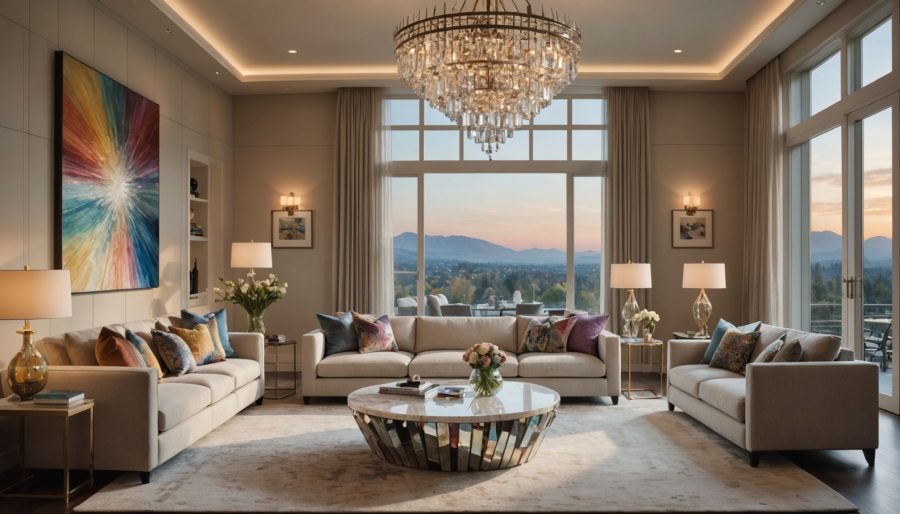
Gone are the days when crystal meant only chandeliers in formal dining rooms. Today, it’s being reimagined across the living space with confidence and creativity. The key is balance - using crystal to amplify mood, not overwhelm. Layering different types of fixtures allows light to interact in complex, pleasing ways, avoiding the flatness of a single overhead source.
Grandeur with crystal chandeliers
For rooms with high ceilings, a grand chandelier remains unmatched in its ability to command attention. The trick is proportion: the fixture should feel present but not oppressive. A good rule of thumb is to add the room’s length and width in feet, then use that sum in inches as the ideal diameter. A 12x18 foot room? Aim for a 30-inch chandelier.
Intimacy with table lamp designs
Smaller crystal fixtures on side tables or consoles offer a more tactile experience. Paired with fabric shades, they create pockets of warm, personal light perfect for reading or quiet conversation. The contrast between soft textiles and sharp, cold crystal adds textural intrigue.
Layering light for depth
Consider this your lighting trilogy:
- Ambient: Overhead fixtures or recessed lights for general coverage
- Task: Crystal floor or table lamps for focused activity
- Accent: Wall sconces or small crystal pendants to highlight art or architecture
When combined thoughtfully, this approach turns a flat room into a dynamic, inviting space.
Comparing crystal types and cuts for maximum brilliance
Not all crystal is created equal. The type of cut and finish dramatically affects how light behaves, shaping the mood of the entire room. Understanding these differences helps match the material to your interior’s personality.
The precision of hand-cut facets
Machines can press glass quickly, but only human hands can achieve the depth and symmetry needed for true brilliance. Hand-cut facets are sharper, more consistent, and catch light from more angles. The result? A hand-cut brilliance that produces vibrant chromatic flares - tiny rainbows that come alive when the sun hits just right.
Choosing between clear and colored crystal
Clear crystal remains a classic, amplifying light without altering its tone. But subtly tinted crystal - in smoky gray, amber, or pale rose - can harmonize with a room’s palette while maintaining luminosity. These tones work especially well in modern schemes where a hint of warmth is desired without sacrificing sophistication.
Balancing clarity and texture
Smooth, polished crystal delivers maximum sparkle, ideal for formal or high-impact spaces. Textured or frosted finishes, on the other hand, diffuse light more gently, reducing glare and creating a softer, contemporary feel. The choice depends on whether you want drama or serenity.
| Cut Type | Light Diffusion | Style Profile | Best Placement |
|---|---|---|---|
| Diamond Cut | Sharp, directional sparkle | Modern, architectural | Minimalist living rooms, entryways |
| Beveled Cut | Soft refraction, warm glow | Classic, traditional | Drawing rooms, libraries |
| Frosted Crystal | Even, glare-free diffusion | Contemporary, serene | Lofts, bedrooms, reading nooks |
Sophisticated placement strategies for decorative lighting fixtures
The impact of a crystal fixture isn’t just about the piece itself - it’s about where and how it’s placed. A well-positioned lamp can transform an overlooked corner into a destination, or turn a neutral wall into a canvas for shifting light patterns.
Illuminating neglected corners
That dim corner by the window or the empty space beside a bookshelf? It’s prime real estate for a crystal floor lamp. Positioned just right, it can bounce light upward and across the wall, creating depth and drawing attention to textures or artwork. It turns dead space into drama - all without rewiring or renovation.
The art of dimming crystal
Crystal reveals its full range only when light levels can shift. A fixture blazing at full brightness may dazzle, but it lacks nuance. Dimmable LEDs, especially those with warm-to-cool adjustment, allow a single piece to serve multiple moods - from bright and social to soft and intimate. This flexibility makes crystal surprisingly adaptable, even in casual settings.
Practical maintenance for enduring brilliance
One of the most common concerns about crystal is upkeep. But with the right approach, cleaning doesn’t have to be daunting. The key is gentleness. Harsh chemicals or abrasive cloths can scratch delicate surfaces or cloud the finish over time. Instead, professionals recommend a simple solution of lukewarm water and a drop of non-oily soap, applied with a soft microfiber cloth. For larger chandeliers, consider wearing white cotton or microfiber gloves to avoid leaving fingerprints.
Regular dusting goes a long way. And if your fixture has removable pendants or drops, taking them down one section at a time every few months makes the task manageable. More than just maintenance, this ritual connects you to the object - a small act of care for a timeless investment. Properly maintained, crystal lighting can last generations, making it one of the most sustainable choices in luxury decor.
Merging heritage with 2026 interior trends
Far from being trapped in the past, crystal is having a quiet renaissance - not as a relic, but as a counterpoint to contemporary design. Today’s most compelling interiors use crystal not to mimic tradition, but to challenge it, creating tension between old and new that feels both fresh and grounded.
The neo-classical revival
Imagine a hand-cut crystal chandelier suspended in a raw concrete loft, or a delicate crystal table lamp perched on a brutalist sideboard. This juxtaposition - of refined light against industrial materials - is emerging as a signature of modern elegance. It’s not about matching styles, but about contrast: the warmth of crystal softens hard edges, while the modern setting keeps the crystal from feeling fussy.
Sustainable luxury in lighting
Luxury is being redefined. No longer about excess, it’s about permanence. The trend toward “buying less but buying better” aligns perfectly with crystal’s value proposition. These are not disposable items. They can be restored, rewired, even recut. Choosing a piece made with enduring craftsmanship isn’t just aesthetic - it’s an ethical stance. In this light, crystal isn’t indulgence. It’s responsibility.
Common questions about crystal lighting
Does crystal lighting work in a minimalist, modern apartment?
Absolutely. In fact, using crystal as a single, bold accent in a minimalist space is a growing trend. The contrast between clean lines and intricate sparkle creates visual interest without clutter. A small crystal table lamp or a sculptural pendant can become the focal point of an entire room, proving that luxury lies in restraint as much as in opulence.
How do I safely clean a large chandelier after years of use?
Start by turning off the power and allowing bulbs to cool. Use a soft microfiber cloth and a gentle cleaning solution - warm water with a drop of dish soap works well. For high or complex fixtures, clean in sections, removing pendants one at a time if possible. Wearing white cotton gloves prevents smudges. For deeply tarnished metal frames or stubborn residue, consult a professional restorer.
Can antique crystal fixtures be updated with smart home technology?
Yes - and it’s easier than you might think. Most antique crystal fixtures can be retrofitted with modern, dimmable LED bulbs that are compatible with smart systems. Look for Edison-style LEDs that mimic the look of vintage filaments. This preserves the aesthetic while adding convenience, energy efficiency, and adjustable color temperature.
